Acting in Violation of the Stay
Creditors violate the stay constantly, usually by continuing a process nobody stopped. What follows depends on whether the act is treated as void or merely voidable, and on whether the creditor knew of the case when it acted.

The rule in short
Most circuits treat acts taken in violation of the automatic stay as void, while others treat them as voidable and capable of validation by annulment. Section 362(k) provides that an individual injured by a willful violation shall recover actual damages, including costs and attorneys' fees, and may recover punitive damages in appropriate circumstances. Willfulness generally means knowledge of the case and an intentional act, not an intent to violate the stay.
Most stay violations are not decisions. A garnishment continues because nobody at the employer told payroll, a collection file keeps generating letters because the account was never flagged, a sale proceeds because the notice of filing reached the wrong department. The statute does not care much about how the act came about; it cares about whether the act was taken and, for damages, whether the creditor knew.
Void, or merely voidable
The first question is what status an act taken in violation has. Most circuits treat such acts as void: they have no legal effect at all, nobody needs to apply to set them aside, and a recorded instrument is a nullity from the moment it was recorded. A minority treat them as voidable, meaning effective until someone obtains an order undoing them.
The distinction sounds abstract and is not. Under the void approach, a debtor who does nothing still owns the property; under the voidable approach, a debtor who does nothing may lose it by acquiescence or delay. The burden of moving sits on opposite sides of the case depending on which view governs.
Timing sharpens the problem where a third party is involved. A purchaser at a foreclosure sale conducted after a filing has paid money and recorded a deed. Under the void approach that deed conveys nothing, and the purchaser's remedy is against the party that conducted the sale. Under the voidable approach the transaction stands until set aside, and the debtor must move promptly. Courts on both sides look for a way to protect a purchaser who knew nothing of the case.
The statute itself supplies an argument for the voidable view. Relief may be granted by annulling the stay, and annulment is understood to operate retroactively to validate something already done. It is difficult to validate an act that was a nullity, which is why courts taking the void position generally describe annulment as an exception rather than as a reason to abandon the position.
| Act taken after filing | Usual characterization | Correction expected |
|---|---|---|
| Wage garnishment continuing | Act to collect a prepetition claim | Release the garnishment and return withheld funds |
| Vehicle repossessed | Act to obtain possession of estate property | Return the vehicle; turnover obligation applies |
| Lien recorded after filing | Act to create or perfect a lien | Vacate the recording, absent a perfection exception |
| Foreclosure sale completed | Act to enforce a lien against property | Unwind, or seek annulment of the stay |
| Deposit applied to a matured loan | Setoff of a prepetition debt | Restore the funds; setoff right survives, its exercise does not |
Willfulness and what it requires
Damages turn on a different question from liability. The statute provides that an individual injured by any willful violation of a stay shall recover actual damages, including costs and attorneys' fees, and in appropriate circumstances may recover punitive damages.
Willful in this context has been read narrowly and does not mean malicious. The general formulation is that the creditor knew of the bankruptcy case and intentionally took the action that turned out to violate the stay. A creditor who believed the act was permitted, or who was mistaken about the law, is still ordinarily treated as having acted willfully if it knew of the case and meant to do what it did.
Knowledge is attributed institutionally as well as personally. A notice sent to a servicer, a branch, or a collections vendor is generally treated as knowledge of the entity, and courts have been unsympathetic to arguments that the notice reached one department and the act was taken by another. Organizations that process large volumes of accounts are expected to have a mechanism that connects the two.
The genuinely innocent act is the one taken without knowledge of the filing. That act is a violation but not a willful one, and the creditor's exposure depends almost entirely on what it does next. Persistence after notice supplies the knowledge element and converts the position.
Stopping is not the same as undoing. A creditor told of a filing that halts further collection but leaves a garnishment in place, keeps a repossessed vehicle in its lot, or leaves a lien on the record has not restored the position. Courts have treated the failure to reverse as a continuing willful violation, and the resulting fee award often exceeds the amount originally at stake.
Who recovers, and by what route
The statutory remedy is written for an individual injured by the violation, and courts have divided on whether a corporate debtor comes within it. Where it does not apply, the alternative is contempt under the general power to issue necessary orders, which produces compensatory relief on a discretionary basis rather than by statutory direction.
Standing is a further question. The provision speaks of an individual injured by the violation, which ordinarily means the debtor, though a co-debtor or a spouse harmed by the same act has sometimes been permitted to recover. A trustee asserting the estate's interest generally proceeds under the avoidance and turnover provisions rather than under the damages provision.
Damages awarded are usually modest in principal and substantial in fees. Actual damages cover the funds wrongly taken, the cost of recovering property, lost wages from time spent dealing with the violation, and in appropriate cases emotional distress where the law of the circuit permits it. Fees for prosecuting the violation are expressly included, and they frequently dwarf the rest.
Punitive damages are reserved for conduct beyond a knowing violation. Repeated acts after notice, conduct calculated to coerce payment, and a systemic failure to process bankruptcy notices have supported awards. A single act promptly corrected has not. The statute also limits recovery to actual damages where the violation was based on an action taken in the good-faith belief that the provision terminating the stay as to certain personal property applied.
Governmental units and the wider toolkit
Sovereign immunity is abrogated as to the automatic stay provision. Governmental units are therefore subject to the stay and to the damages provision on the same terms as other entities, subject to the limits the abrogation provision itself contains. A tax authority that levies after a filing is in the same position as a bank that applies a deposit.
Other tools operate alongside the stay. A transfer of estate property made after the filing that was not authorized by the Code or by the court may be avoided under the postpetition transfer provision, which reaches transactions the stay analysis does not comfortably cover. An entity holding property of the estate is separately obliged to deliver it to the trustee, which is the route used when a creditor holds goods rather than money.
For a creditor deciding what to do, the practical sequence is short. Confirm whether the intended act falls within one of the statutory exceptions; if it does not, bring a motion for relief on the statutory grounds and wait for the order to take effect. The one situation where speed is safe is a case in which no stay arose at all, described in the rules for repeat filers, and even there a confirmation order is cheaper than a damages hearing. Everything else remains inside the freeze that began on filing.
Points to carry away
- Circuits differ on whether a violating act is void or voidable, which affects who must act to undo it.
- Annulment of the stay can validate an act already taken, which presupposes it was not simply a nullity.
- Section 362(k) awards actual damages, costs and fees to an individual injured by a willful violation.
- Willfulness generally requires knowledge of the case and an intentional act, not a purpose to violate.
- A creditor informed of a filing is expected to reverse what it has already set in motion.
- Sovereign immunity is abrogated as to the stay provision for governmental units.
Questions readers ask
Is a corporate debtor entitled to damages under the statute?
The provision awards recovery to an individual injured by a willful violation, and courts have divided over whether a corporate debtor qualifies. Several have read the word to mean a natural person, leaving corporate debtors to seek contempt sanctions under the general power instead. Others have read it more broadly. The practical difference is meaningful: the statutory route directs that actual damages including costs and fees shall be recovered, while the contempt route rests on the court's discretion.
What is the standard for punitive damages?
The statute permits punitive damages in appropriate circumstances, and courts have reserved them for conduct that goes beyond a knowing violation — persistence after repeated notice, conduct designed to coerce payment, or an institutional failure to respond to filings at all. A single act corrected promptly on notice rarely supports them. Where a violation is based on an action taken in the good-faith belief that the personal-property termination provision applied, the statute limits recovery to actual damages.
Does a creditor have to undo an act it took before it knew of the filing?
Yes, in substance. The act was a violation when taken, and the expectation is that the creditor restores the position once informed: release the garnishment, return the vehicle, vacate the recorded lien, dismiss the pending motion. Courts have treated the refusal to undo as itself a willful violation, which converts an innocent act into a compensable one. The turnover provision supplies a parallel obligation for property of the estate that a creditor is holding.
Sources
- 11 U.S.C. § 362, Cornell LIISubsection (k) provides damages for a willful violation, and subsection (d) permits annulment of the stay.
- 11 U.S.C. § 549, Cornell LIIAllows avoidance of postpetition transfers of estate property not authorized by the Code or the court.
- 11 U.S.C. § 542, Cornell LIIRequires an entity holding property of the estate to deliver it to the trustee.
- 11 U.S.C. § 106, Cornell LIIAbrogates sovereign immunity as to listed provisions, including the automatic stay section.
- 11 U.S.C. § 105, Cornell LIIThe general power under which contempt sanctions for stay violations are imposed.
- 28 U.S.C. § 157, Cornell LIIGoverns referral and the categories of proceedings a bankruptcy judge may hear and determine.
Rapid Response Law is a publication, not a law firm. This article states general rules and cites its sources; it is not advice about any particular case, and the law differs by state and changes over time.
More in First-Day Relief
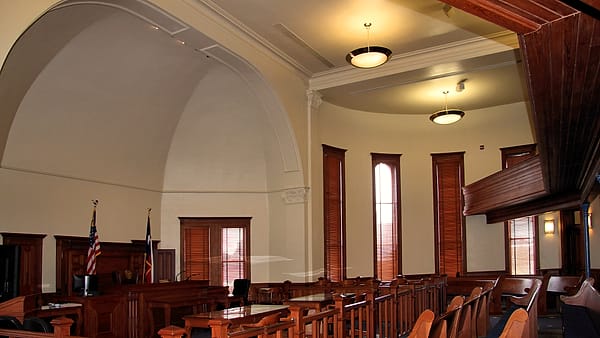
How Quickly a Court Must Hear a Stay Motion
Section 362(e)(1) terminates the stay thirty days after a request for relief from a stay of an act against estate property, as to the requesting party, unless the court after notice and a hearing orders it continued. The hearing may be preliminary or consolidated with the final hearing. Where it is preliminary, the court must order continuation if there is a reasonable likelihood that the party opposing relief will prevail, and the final hearing must conclude within thirty days after it.
The Shorter Stay for a Repeat Filer
Section 362(c)(3) provides that where an individual debtor had a case pending within the preceding year that was dismissed, the stay terminates on the thirtieth day after the later filing with respect to the debtor. Section 362(c)(4) provides that where two or more such cases were dismissed, no stay goes into effect at all. In each situation a party in interest may move to continue or impose the stay, and must demonstrate that the later filing is in good faith.

The First-Day Hearing and What Is Heard There
First-day hearings are held within days of a business filing, on shortened notice, to authorize what the debtor needs to keep operating. Rule 6003 prohibits granting listed applications within twenty-one days after the petition is filed unless relief is needed to avoid immediate and irreparable harm, and expressly does not apply to motions under Rule 4001. Cash collateral and financing are therefore heard first, with final hearings following after full notice.